Learn to love the
litte things
Insects are everywhere, doing almost everything. These guides will help you find them, name them, understand their troubles, and become the kind of neighbor they actually like.
Field guides for curious humans
Six starting points. Pick the one that buzzes at you.
How to find bugs
A beginner’s guide to spotting insects in your own backyard, local park, or even on your windowsill. All you need is curiosity and a little patience.
Your local bugs
Meet the common pollinators, beetles, butterflies, and ants living right where you live. Every postcode has its own tiny cast of characters.
Why we are seeing less every day
Habitat loss, pesticides, light pollution, and climate shifts are quieting the insect world. Here’s what the data really says.
The magnificence
From metamorphosis to swarm intelligence, insects pull off some of the most extraordinary feats in nature. Prepare to be humbled.
Find your native plants
Plant the flowers, shrubs, and trees that feed your neighborhood bugs. The right bloom at the right time can feed a whole ecosystem.
A world without them
What would breakfast, gardens, soil, and songbirds look like if insects disappeared? The picture is sobering — but not inevitable.
Why the bumblebee matters
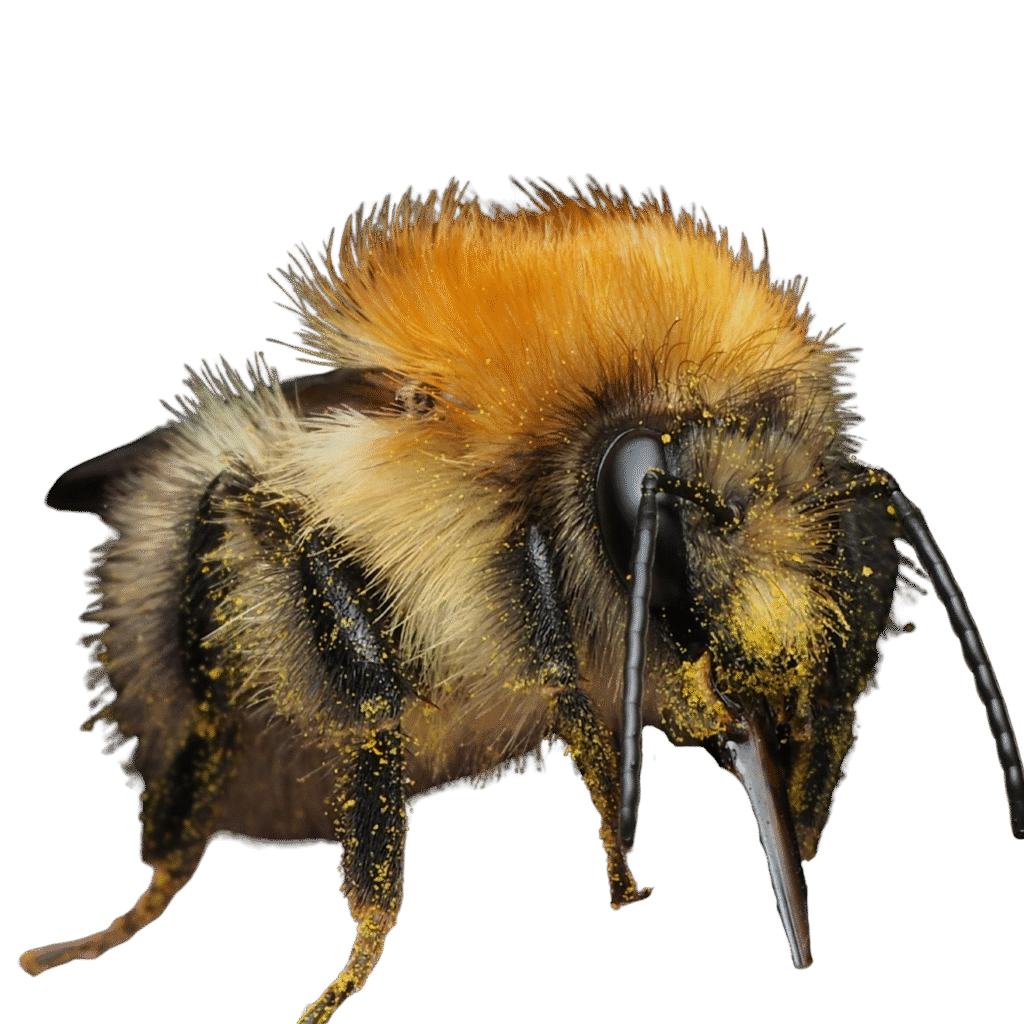
Bumblebees are fuzzy, loud, and essential. A single colony can pollinate enough flowers to feed a small orchard. Their buzz frequency shakes pollen loose from tomatoes, blueberries, and peppers, something honeybees can not do.
Without them, our salads would be blander, our wildflowers rarer, and our songbirds hungrier. The good news? A single native flower patch can support dozens of queens each spring.

1 colony
can feed a small orchard
250+
flower visits per bee per day
25%
of populations are in decline
Take the bug pledge
Mow less, light less, plant more. Join 38,000 people getting one small monthly action plus an extraordinary insect in their inbox.