
how to find bugs near you?
We’ve all been annoyed by mosquitos or a biting fly, but unfortunately that is the extent to a lot of peoples exposure to bugs. They might never appreciate the magnificence and wonders that other bugs offer.
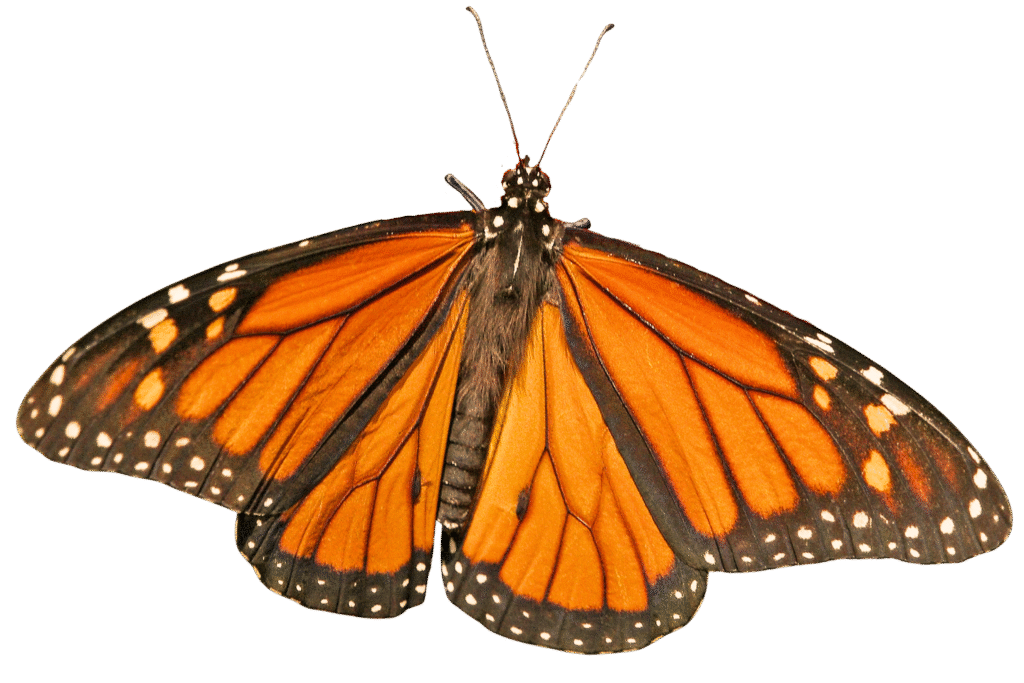
Butterflies
There are around 750 butterfly species and over 11,000 moth species in North America. Moths are far more diverse than butterflies and many are just as striking — they just fly at night. Caterpillars are often easier to find than adults. Each species feeds on specific host plants, so knowing what plants are nearby tells you what caterpillars are findable.
Where to look: open meadows and roadsides for adult butterflies. Milkweed patches for monarch caterpillars. Wild cherry and apple trees in spring for tent caterpillar colonies. Porch lights and windows at night for moths . Check the wall and tree trunks nearby in the morning too.
Seasonality notes: painted ladies arrive February through April on the West Coast in good years. Monarchs migrate through in September and October. Woolly bear caterpillars cross roads in September and October. Summer has the highest adult diversity overall.
Spiders
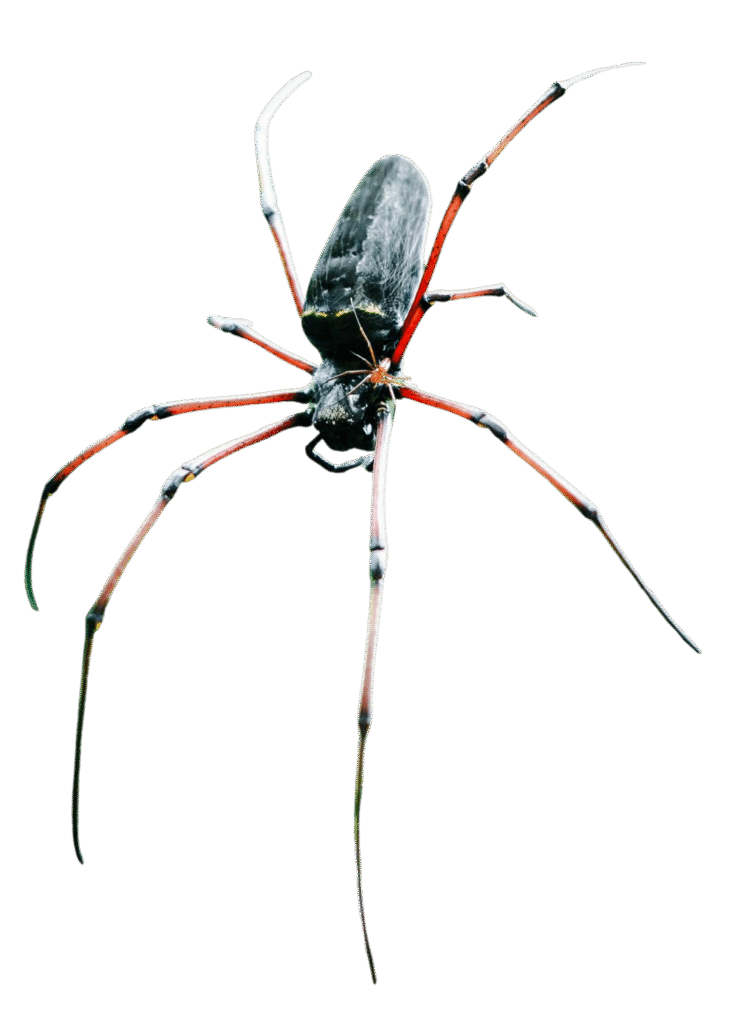
Spiders are among the most abundant predators in most land ecosystems. A single acre of undisturbed meadow can hold over a million individuals. Most people only notice orb weavers because of their webs, but the majority of spider species hunt without webs at all. Wolf spiders chase prey. Jumping spiders stalk it. Trapdoor spiders ambush from below ground. Scorpions, harvestmen, and mites are arachnids but not spiders and share the same habitats.
Where to look: orb weaver webs are most visible in early morning with dew, or in low angled evening light, along garden shrubs and fence lines. Wolf spiders are found at night by shining a torch from eye level across open ground — their eyes reflect back like tiny green stars. Trapdoor spider burrow lids look like small perfectly circular doors flush with dry hillsides and earthen banks. Bark scorpions in the desert Southwest glow blue-green under a UV flashlight.
Caution: most spiders are harmless. But, familiarize yourself with poisonous spiders in your area. Observe respectfully, without disrupting it’s web or disturbing the spider.
Beetles
Peak season: late spring through summer, some species active spring through fall.
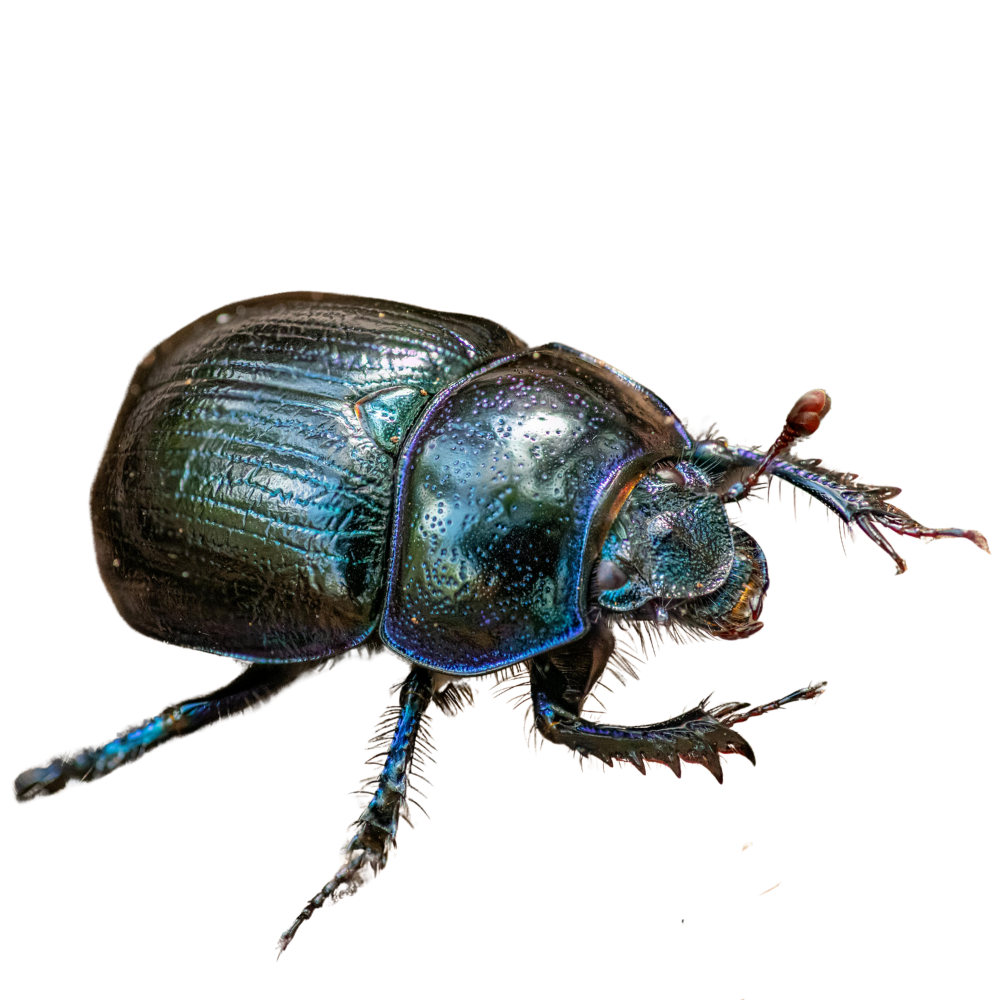
Beetles make up roughly 25% of all known animal species on earth. They are in every habitat doing nearly every ecological job: decomposing wood, hunting prey, pollinating, and glowing in the dark. Most people walk past dozens of species on a single trail without noticing because many are nocturnal, hide under bark and rocks during the day, or blend into wood grain and leaf litter.
Where to look: Under loose bark on downed logs, beneath flat rocks, inside hollow stumps, in leaf litter, and near outdoor lights after dark. Peel back bark only on clearly dead, downed wood. The inner surface often shows gallery tunnels carved by bark beetles. Rotting logs in moist areas hold the most diversity.
Caution: most beetles are harmless. Avoid handling brightly colored soft-bodied beetles, as some secrete a skin irritant.